Food loses its pull in a Melanotan 2 mouse study
- What separates melanotan II research from prescription care?
-
Promise Peptides offers prescription-only peptide care; the clinician makes the call.
mypromise.com
A licensed U.S. clinician weighs your request and can turn it down. Only U.S. patients can be seen; options differ with your state and the treatment sought. The medicine is compounded; it has no FDA approval.
Eating less can mean several things. A mouse experiment separated the effort to get food from learned taste avoidance, and that distinction deserves a proper review.
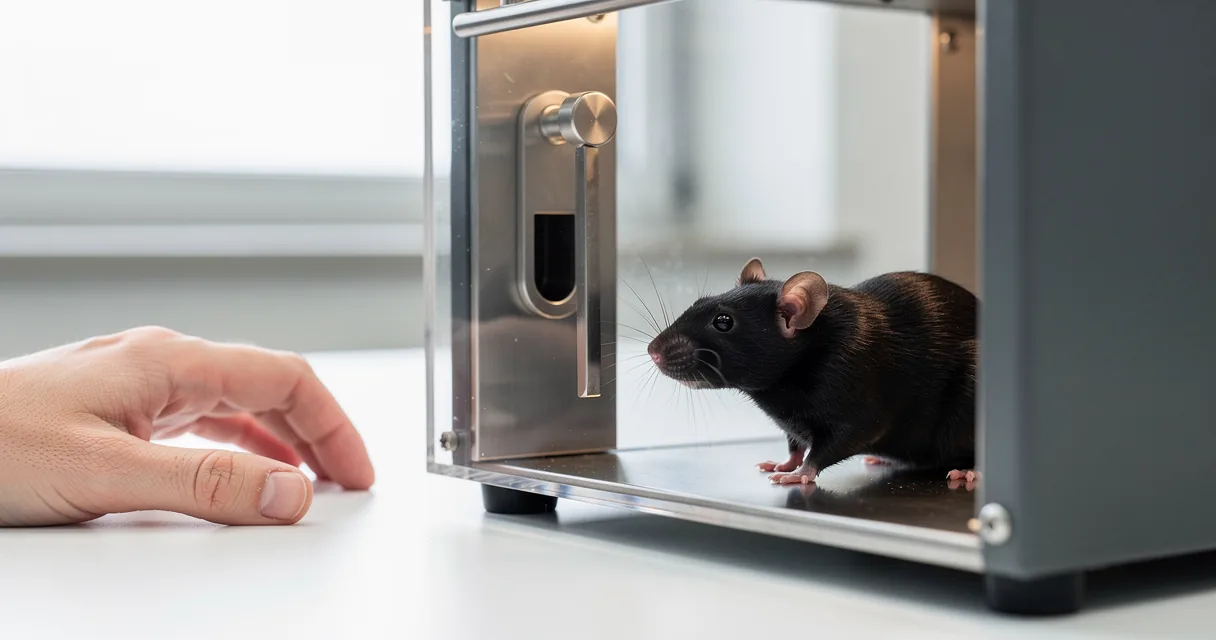
Food-seeking in mice
A mouse can eat less because food has become less worth pursuing, because it has learned to avoid a taste, or because its energy needs have changed. In a 2022 experiment with male mice, Melanotan 2 reduced both eating and the work the animals did to gain access to food. The researchers found neither conditioned taste aversion nor a change in metabolic rate in this experiment.
For an appetite claim, I want these extra measurements. The drug had been placed directly into the nucleus accumbens, a brain region involved in reward and motivation. That is a precise intervention with a precise result. It leaves a much more interesting question than whether a tanning compound can also put an animal off its dinner: which part of wanting food changed?
The experiment establishes an effect in mice under those conditions. A human weight-loss benefit, or a comfortable way to achieve one, would require human evidence that this study cannot supply.
A second food experiment
Rats offered a choice of foods supplied another wrinkle. Central Melanotan II suppressed calorie intake most strongly with a chow-plus-saturated-fat diet and preferentially reduced the fat component. Dietary fat content mattered more to this response than whether the rats were obese.
That result appeals to my suspicion of a single overall rating. “Less hungry” can conceal a change in food choice as well as a change in effort. The appetite research follows both experiments, including an older rat study that did produce learned taste avoidance.
Skin colour and sexual response
The human record has a different scale and a different purpose. In the 1996 pigmentation pilot, two of three healthy men developed darker skin after five low doses without UV exposure. Nausea, sleepiness and spontaneous erections also entered the record. A later crossover study in ten men with psychogenic erectile dysfunction measured erections against placebo.
I welcome the mess those erectile effects make of a tidy tanning story. Its melanocortin activity helps explain that reach; the tanning page stays with what happened to skin.
Reported harms
Enthusiasm about an effect can coexist with a serious adverse event. Published reports describe muscle breakdown and kidney injury, prolonged painful erections and changes in moles. They establish reasons for concern while leaving the frequency of harm unresolved.
The food-motivation experiments leave me absorbed, and the human safety gaps leave me uneasy. Melanotan 2 has no approved indication. The effects record, study amounts and questions about hair loss and permanence deserve separate attention.